What Is a Commercial Real Estate Loan? A Complete Beginner’s Overview
Navigating property financing can feel daunting, especially when transitioning from personal residential mortgages to commercial transactions. Whether you are an aspiring investor looking to purchase your first multi-family property or a small business owner seeking to own your store or warehouse, understanding how commercial lending operates is essential to expanding your portfolio and building long-term wealth.
What Is a Commercial Real Estate Loan?
A commercial real estate loan is a mortgage secured by income-producing or business-use property, such as office buildings, retail centers, industrial warehouses, or multi-family complexes. Unlike residential mortgages, commercial loans are typically issued to business entities and evaluated based on property cash flow and borrower creditworthiness.
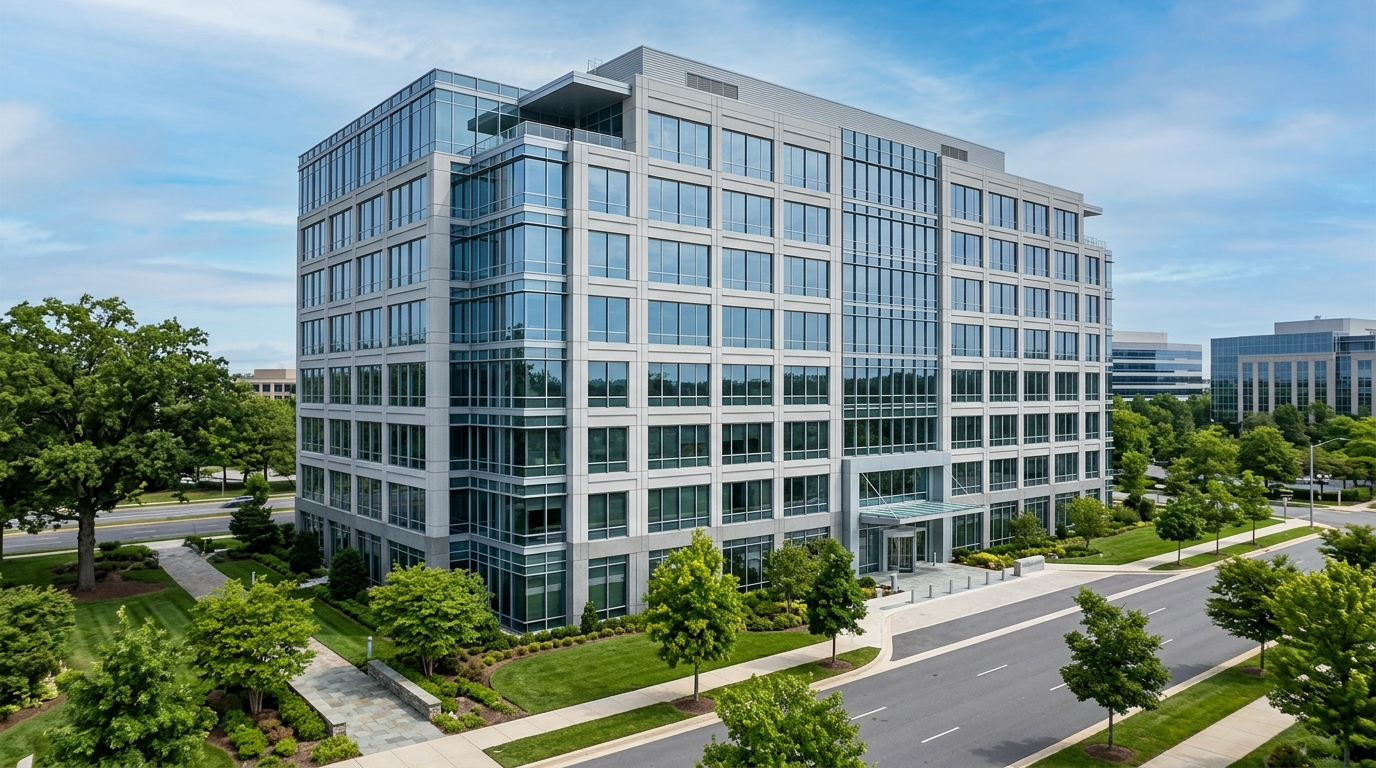
Commercial real estate loans are typically secured by income-producing properties like office buildings, retail centers, or industrial warehouses.
When you take out a commercial property loan, the property itself serves as the underlying collateral. Lenders evaluate both the prospective borrower and the cash-generating ability of the asset to determine loan terms, interest rates, and approval eligibility. For beginner investors, grasping these core mechanics is the first step toward securing capital.
Key Differences Between Commercial and Residential Loans
While both financing structures use real estate as collateral, commercial and residential loans differ fundamentally across several operational parameters:
| Feature | Residential Real Estate Loans | Commercial Real Estate Loans |
|---|---|---|
| Primary Borrower | Individual consumer / homeowners | Business entities (LLCs, Corporations, LPs) |
| Primary Underwriting Focus | Personal debt-to-income (DTI) & credit score | Property net operating income (NOI) & DSCR |
| Loan-to-Value (LTV) | High (Up to 80%–97%) | Conservative (Typically 65%–75%) |
| Loan Terms | 15 to 30 years (Fully amortizing) | 5 to 25 years (Often with balloon payments) |
| Interest Rates | Generally lower, standardized | Higher, customized based on risk profile |
| Prepayment Penalties | Rare or heavily restricted | Common (Defeasance, yield maintenance, step-down) |

Commercial and residential real estate loans differ significantly in borrower type, underwriting focus, loan terms, and interest rates.
Understanding these distinctions helps set realistic expectations before approaching commercial lenders. If you want to dive deeper into how interest rates and amortization function, you can understand loan structures in our comprehensive breakdown.
Core Property Types Covered (Office, Retail, Industrial, Multi-Family)
Commercial real estate lending encompasses five primary property categories, each carrying its own risk profile, lease structure, and financing dynamics:
- Office Buildings: Includes single-tenant suburban offices, medical suites, and urban multi-tenant towers. Lenders analyze tenant lease lengths and creditworthiness.
- Retail Properties: Range from strip centers and neighborhood shopping plazas to standalone single-tenant buildings. Anchor tenants play a major role in underwriting.
- Industrial & Warehouse: Includes distribution hubs, light manufacturing, and flex spaces. Known for lower ongoing capital expenditure costs and stable long-term leases.
- Multi-Family Complexes: Residential buildings with five or more units qualify as commercial real estate. Multi-family assets often enjoy competitive financing options due to diversified tenant risk.
- Specialty / Mixed-Use Properties: Properties combining ground-floor retail with upper-story apartments, as well as self-storage facilities and hospitality properties.
Basic Terminology You Need to Know
To communicate effectively with commercial lenders and brokers, you must master the core financial metrics used to evaluate deals.
LTV, DSCR, and Amortization Schedules Explained
- Loan-to-Value (LTV): The ratio of the loan amount relative to the appraised property value. For example, a $750,000 loan on a $1,000,000 property represents a 75% LTV. Lenders use LTV to determine equity requirements and assess capital risk.
- Debt Service Coverage Ratio (DSCR): A key metric measuring a property’s annual Net Operating Income (NOI) against its annual principal and interest obligations. A DSCR of 1.0x means net income equals debt obligations; lenders typically require a minimum DSCR of 1.20x to 1.25x to ensure a safety buffer.
- Amortization Schedules vs. Loan Terms: Commercial loans frequently separate the amortization period (e.g., 25 years used to calculate monthly payments) from the loan term (e.g., 5 or 10 years when the balance matures). At maturity, the remaining principal balance must be refinanced or paid off via a balloon payment.
For a broader overview of how all these elements integrate into an end-to-end investment strategy, read our comprehensive guide to commercial real estate loans.
Who Qualifies for a Commercial Property Loan?
Qualifying for commercial financing involves a dual-layered evaluation process where lenders scrutinize both the entity/borrower and the underlying property assets:
- Borrower Creditworthiness: While property cash flow is paramount, lenders evaluate individual guarantors’ personal credit scores (typically 680+), net worth, and liquidity. Most commercial lenders require borrowers to possess post-closing liquid reserves covering 6 to 12 months of mortgage debt service.
- Property Financial Performance: Historical financial statements, standard tax returns, current rent rolls, and historical vacancy rates are evaluated to verify that the property produces sufficient revenue to service the debt comfortably.
- Business Experience: Lenders prefer working with borrowers who demonstrate track records in commercial property management or related business operations. First-time investors may need experienced property managers or co-sponsors to qualify.
Once you determine that your financial profile and property align with standard lending parameters, you can begin navigating the formal commercial real estate loan process.
Frequently Asked Questions About Commercial Loan Basics
What is the minimum down payment for a commercial real estate loan?
Most conventional commercial real estate loans require a down payment ranging from 20% to 35% of the total purchase price (corresponding to a 65% to 80% LTV). However, government-backed programs like SBA 504 loans allow eligible owner-occupants to secure financing with as little as 10% down.
Can I get a commercial property loan under an LLC?
Yes, in fact, most commercial lenders prefer or require borrowers to hold commercial real estate within a Special Purpose Entity (SPE), such as a Limited Liability Company (LLC). This shields individual assets and streamlines property accounting.
How do interest rates for commercial real estate loans compare to residential rates?
Commercial real estate loan interest rates are typically 0.50% to 2.00% higher than standard 30-year residential mortgage rates. The exact rate depends on market interest benchmarks, property cash flow quality, borrower creditworthiness, and loan term length.
What happens when a commercial loan term ends?
Because commercial loan terms (e.g., 5 or 10 years) are often shorter than their amortization schedules (e.g., 25 years), a remaining balance (balloon payment) becomes due at term end. Borrowers usually pay off this balance by refinancing into a new mortgage or selling the property.